

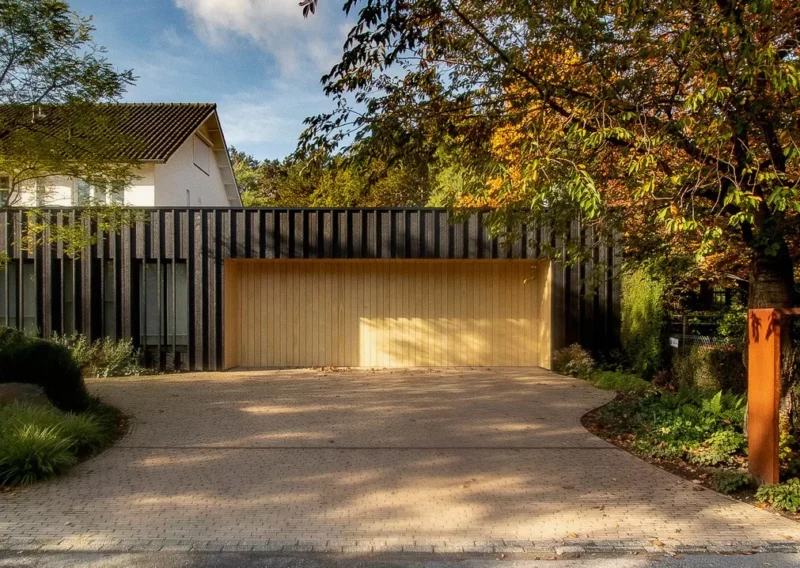

Charred Wood Siding
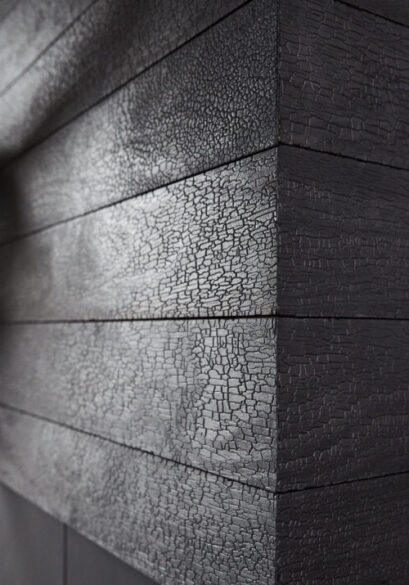
Enhanced grain burnt to perfectionDurability is not only enhanced when using Accoya but the charring prolongs any finish making it long lasting even with the additional stability of Accoya once in situ.
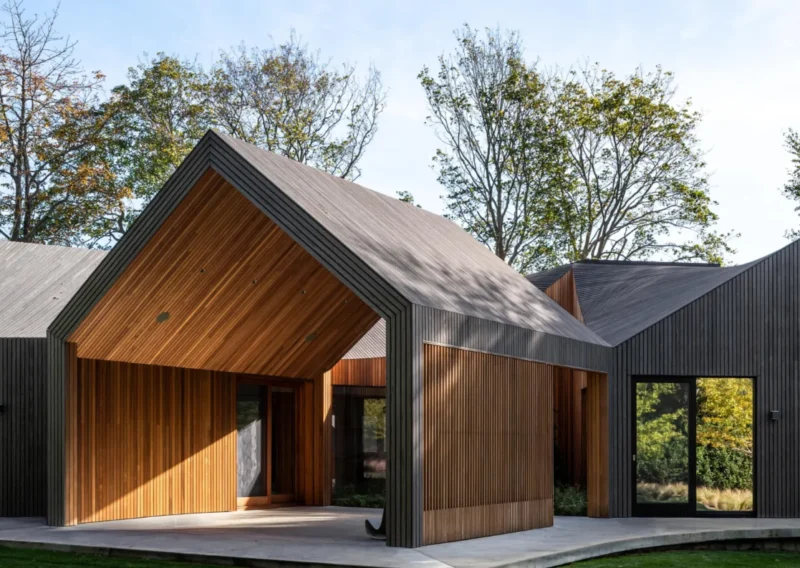
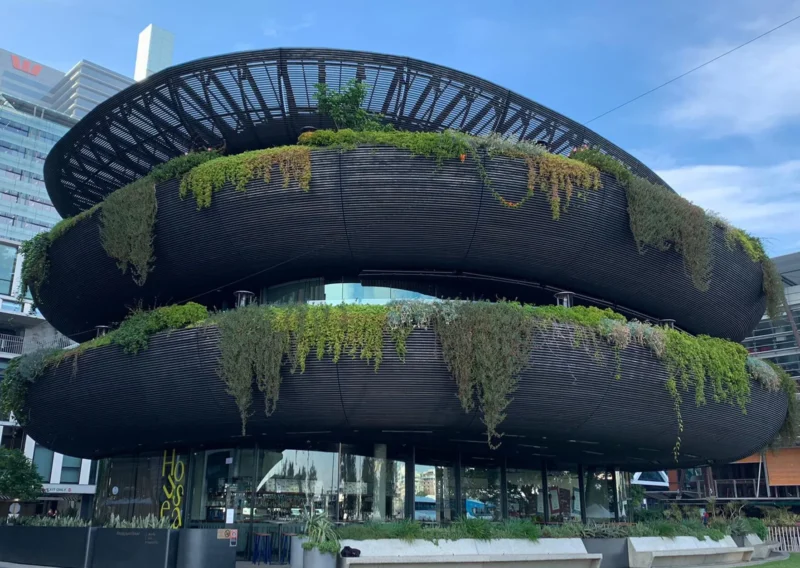
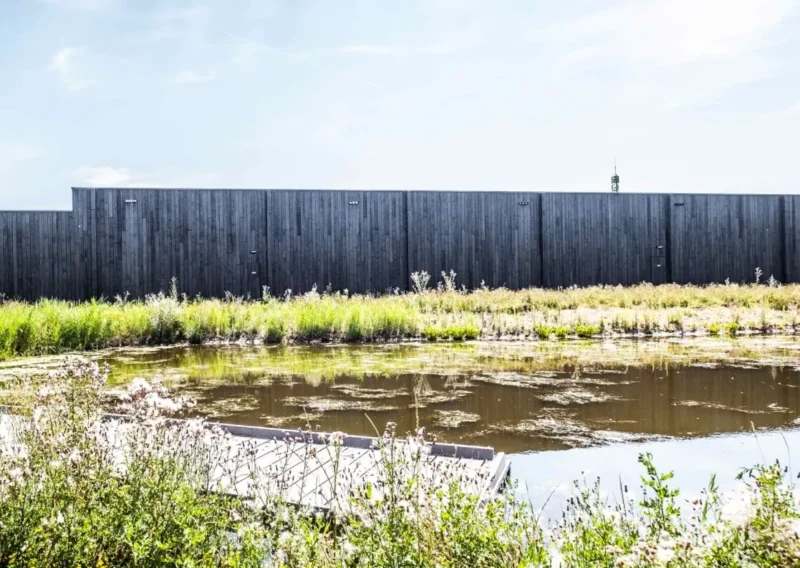
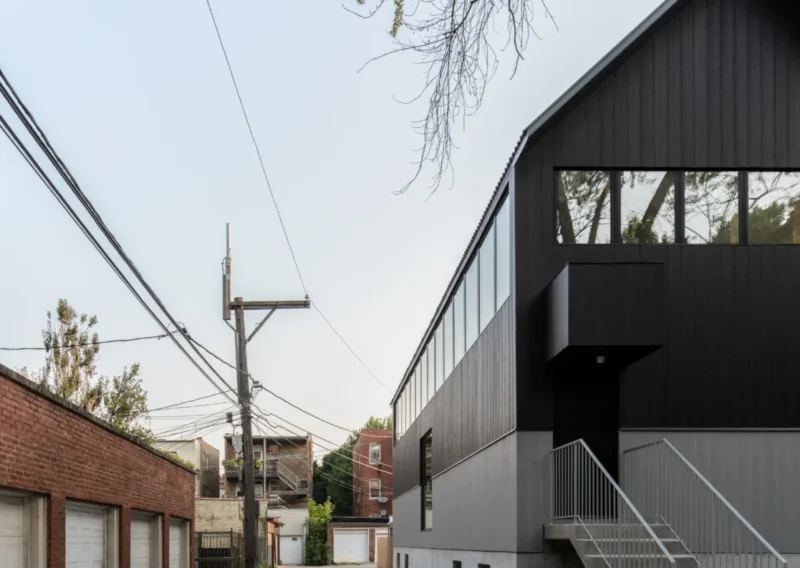
An additional feature of Accoya, a solid wood, is that the grain is emphasized much more than any other timber due to how well the process chars Accoya. The process results in an attractive timber for exterior siding and even internal feature walls.
To specify Accoya Shou Sugi Ban siding in your next project, head to our Architect Zone to learn more.

Highly durable
Exceptional durability, with resistance to distortion, rot and insect attack. A great choice for your Accoya charred wood siding.

Non toxic
Accoya is recyclable and not harmful to the environment. Safe for your family and the planet, ideal for Shou Sugi Ban siding.

Warranty
50 year wood warranty, giving you peace of mind that your Shou Sugi Ban siding is a worthwhile investment.

Highly stable
Your Accoya wood will withstand even harsh weather conditions and last for many years to come so its perfect for a demanding application like charred siding.
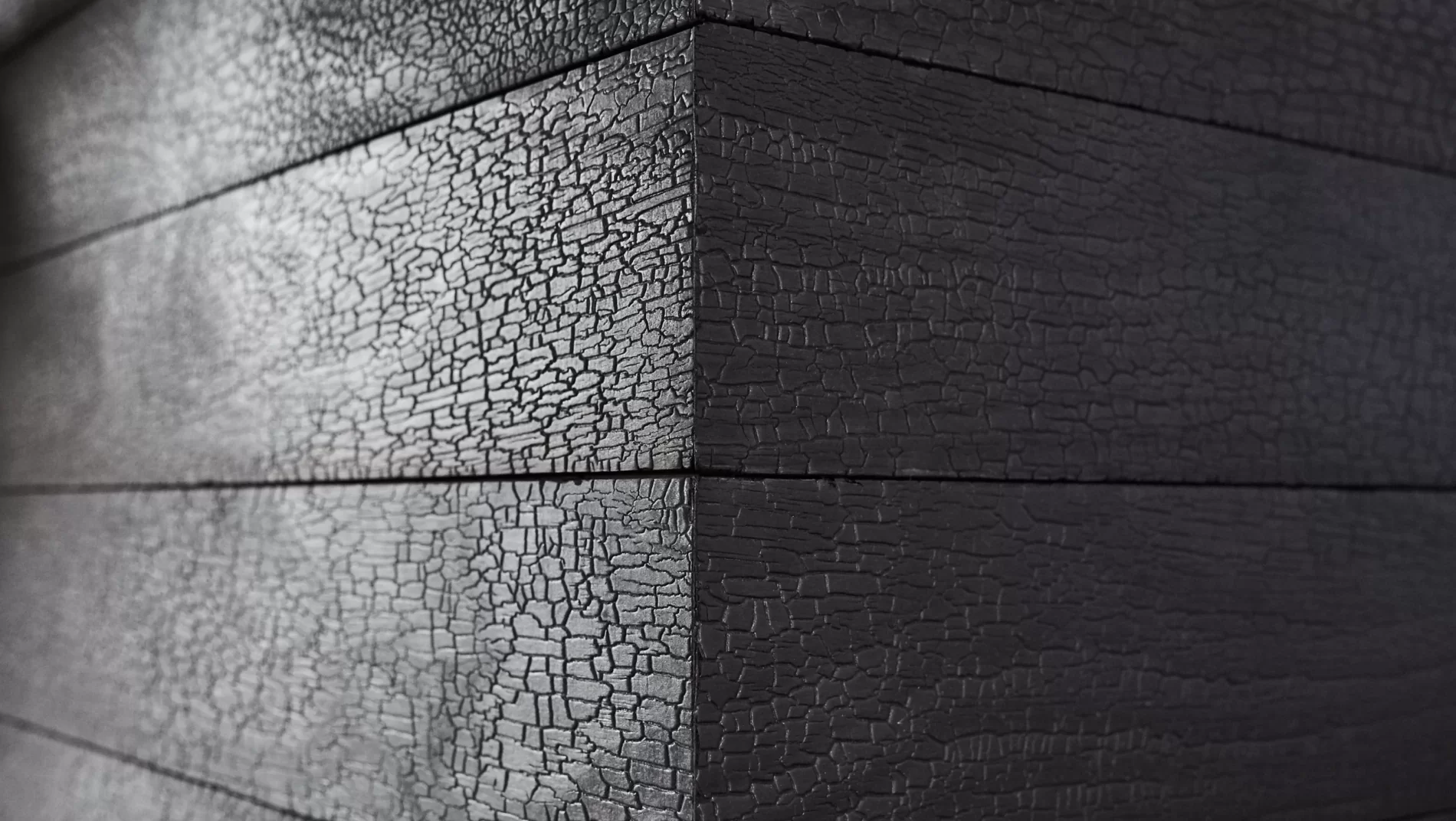
What is Shou Sugi Ban?
In recent years an ancient Japanese burnt wood technique, Shou sugi ban, has been rediscovered and is now often referred to as charred wood.
Shou sugi ban is the traditional art of charring cedar, originally a way of preserving the wood, essentially making it more durable. Typically used for siding, architects and designers across the world are specifying charred timber and are no longer restricted to species. Accoya is ideal for charring.
Case Study
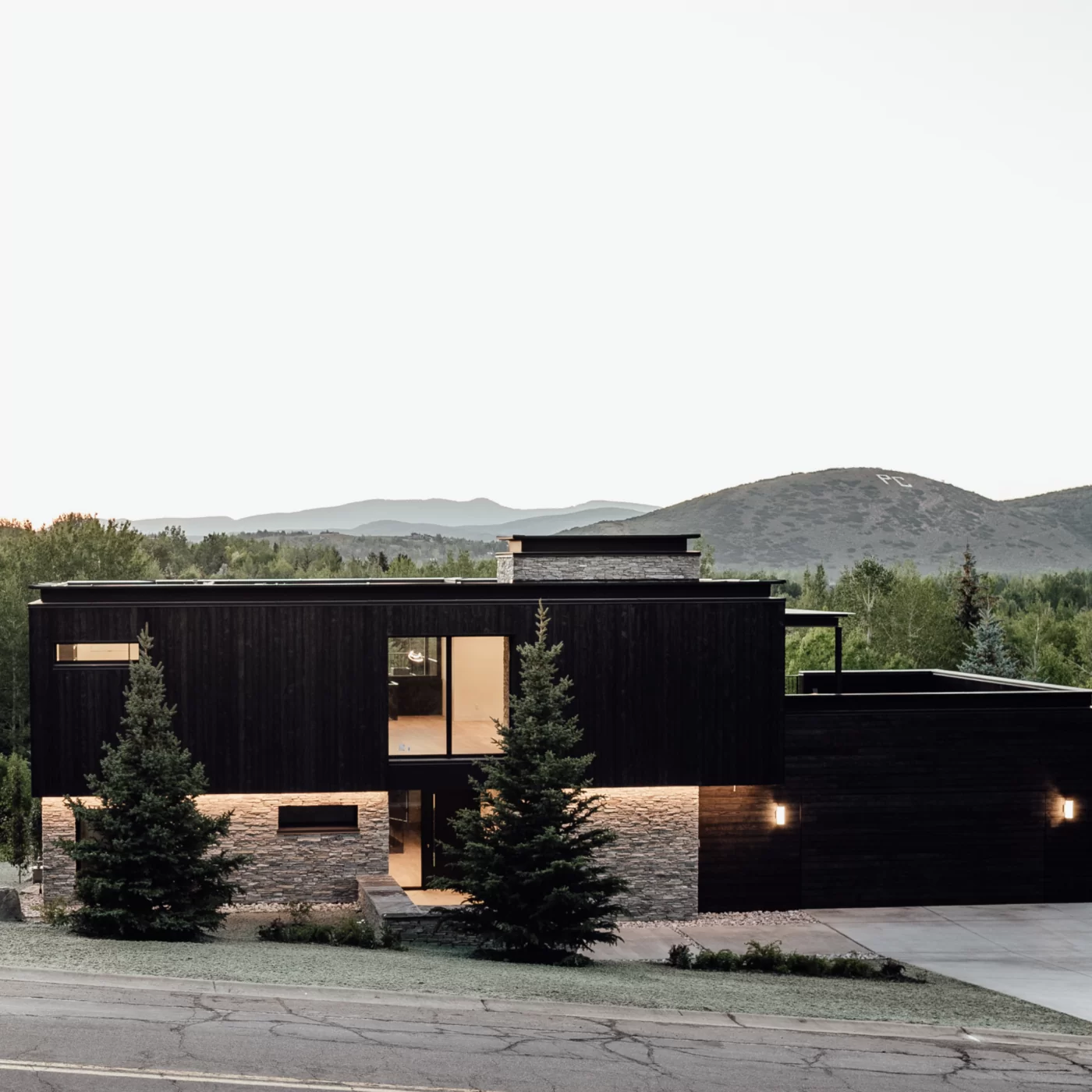
Meadows Passive House
The Meadows Passive House was designed as a primary residence for a family in Park City, Utah. The local studio Klima Architecture aspired to built this three-story home with sustainability and energy efficiency in mind.
The home is PHIUS+ certified and includes solar power sources, minimal heating/cooling systems, triple pane windows, recycled materials, and other energy saving appliances.
The exterior is wrapped in charred Accoya wood, fitting the eco-conscious theme. Accoya wood is designed to last, providing stability throughout the seasonal changes in Utah. The charring “improves the longevity of the wood, and inherently has a distinct aesthetic that we liked,” says Klima Architecture founder, Chris Price. This charred Accoya is finished and provided by Accoya approved manufacturer, Delta Millworks.

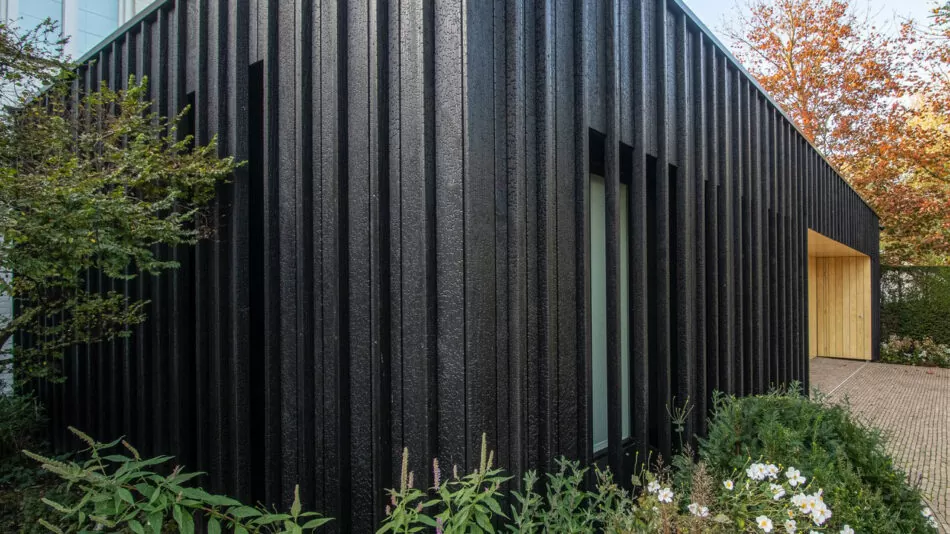
TRIED AND TESTED
Over the past two decades, Accoya wood has been tested extensively by 3rd parties. Their reports showcase the excellent performance and outstanding benefits of Accoya wood, and, in particular, Accoya siding.
For more information, head to our siding page.
To specify Accoya charred siding in your next project, head to our Architect Zone to learn more.
Projects
Accoya shou sugi ban siding ideas

Aspen Fire Department
Aspen, Colorado,

Award-winning Ardmore House in Chicago
Chicago, IL,

Vichy Pool House Siding
Napa Valley, California,

Bellport private residence with charred Accoya wood
New York,

Bethesda Residence with charred Accoya cladding
Washington DC,

Facelift of Broadway Market
Baltimore,

Charred Accoya Cladding and Uncoated Accoya Garage Door

Barangaroo House with Charred Accoya
Sydney,

Charred Accoya Wood for Cigar Lounge
Kuala Lumpur,

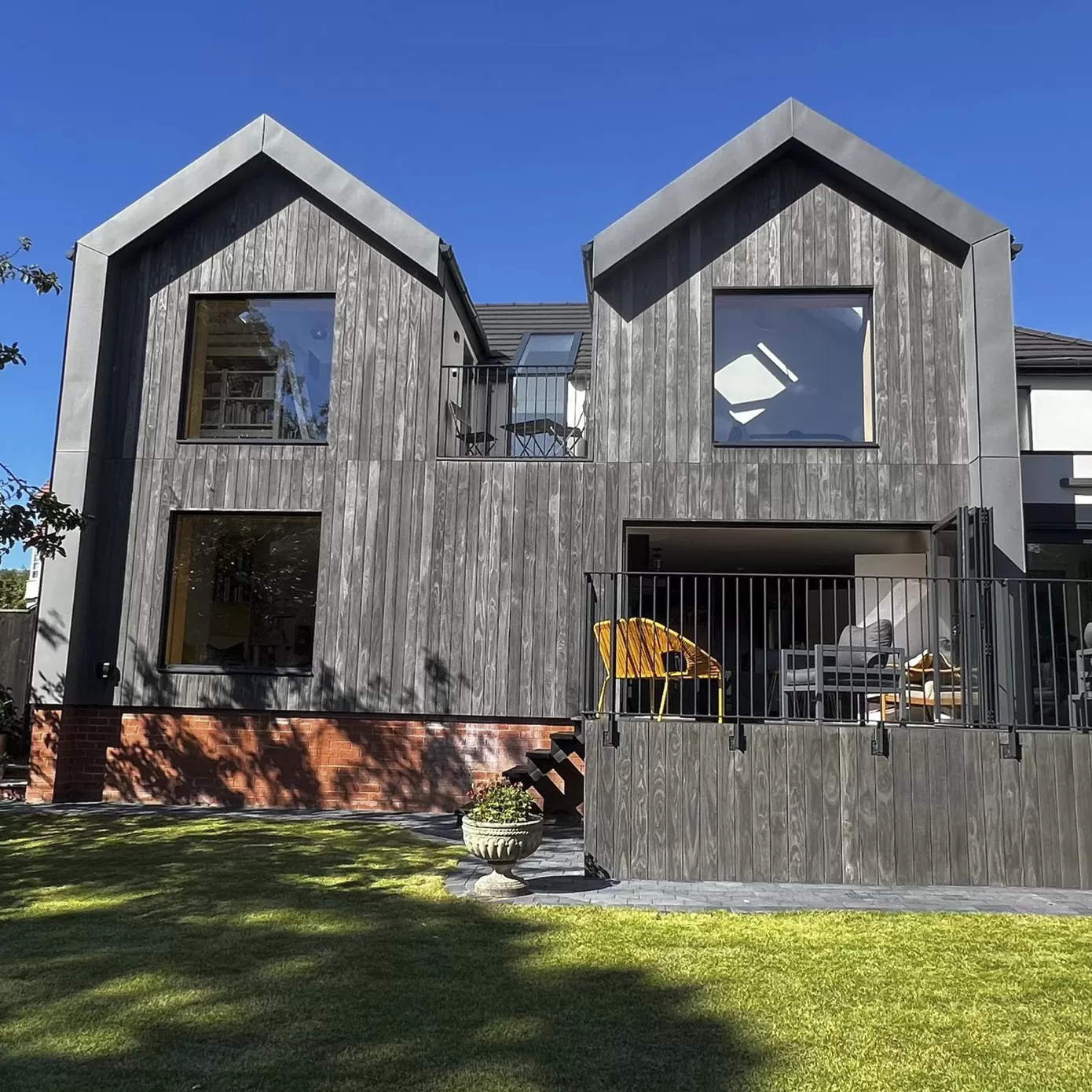
Charred Cladding on residential property
London,

Meadows Passive House
Park City, Utah ,

Charred planters
Paris,

Franz Valley Residence
Calistoga, CA,

Guinness Open Gate Brewery
Maryland,

IBM selects Accoya charred wood
Lille,

Internal feature wall
Melbourne,

Lakeshore Drive Residence by reSAWN TIMBER co.
Okoboji, Iowa,

LaRue Residence in Austin, Texas
Austin, TX,

Accoya clads London Cross Pavilion
New York,

Marisol Malibu Residence
Malibu, CA ,

Minnesota lake house
Browns Bay, Lake Minnetonka,

Interior Shou Sugi Ban at Pensacola Parade of Homes
Pensacola, Florida,

Porter's Steakhouse by Delta Millworks
College Station, Texas,

Puy Lacroix residential home
Saint Leonard de Noblat,
Reed Residence
San Francisco, CA,

Charred Accoya Cladding Mistral Restaurant
Philadelphia,

Six Square House by reSAWN TIMBER co.
Bridgehampton, New York,

South Haven Remembrance Centre
Edmonton, Alberta,

Accoya Cladding at Stoke House Beach Restaurant
St. Kilda, Melbourne VIC,

The Cevian Design Labs cladding
Rome, Georgia,

Accoya Charred Cladding at Villa Andersson, Sweden
Frösakull, Halmstad ,

Vorrawut hotel – The Chiang Mai Old Town
Chiang Mai ,

White Stone Residence
White Stone, VA,
Siding Applications
Accoya siding is very versatile, discover some additional uses here.


Shou sugi ban siding FAQs
-
Shou Sugi Ban siding made from Accoya wood can last beyond 50 years. Thanks to the combination of Accoya’s acetylation process and the traditional charred finish, its durability outperforms conventional wood siding by resisting rot, insect damage, and weathering over decades. This is backed by Accoya’s 50-year guarantee.
-
Accoya Shou Sugi Ban siding offers exceptional stability, durability, and aesthetics. The acetylation process enhances dimensional stability and moisture resistance, while the Shou Sugi Ban charring adds a protective, weather-resistant layer that also repels insects. Together, this creates a low-maintenance, long-lasting siding solution that maintains its beauty and performs well in harsh outdoor environments.
-
Yes, Accoya wood is sustainably sourced and undergoes an acetylation process that does not add harmful chemicals. It is 100% recyclable, renewable, and certified by FSC®, making it one of the most eco-friendly timber solutions for cladding.
-
While the charred surface of Shou Sugi Ban provides a natural protective layer that reduces maintenance, occasional recoating or application of natural oils can help preserve its color and surface integrity, especially in exposed or coastal environments. However, Accoya’s durability means less frequent upkeep is required compared to traditional woods used for siding.
-
Absolutely. Accoya’s enhanced moisture resistance and dimensional stability, combined with the charred finish, make Shou Sugi Ban Accoya highly suited for coastal and extreme weather conditions. Accoya withstands salty air, humidity, and temperature fluctuations far better than many other wood types.
Imagine Accoya for your siding project
Read more in our blogs


Buy Accoya charred siding
Find Accoya charred wood siding for purchase at a location near you.