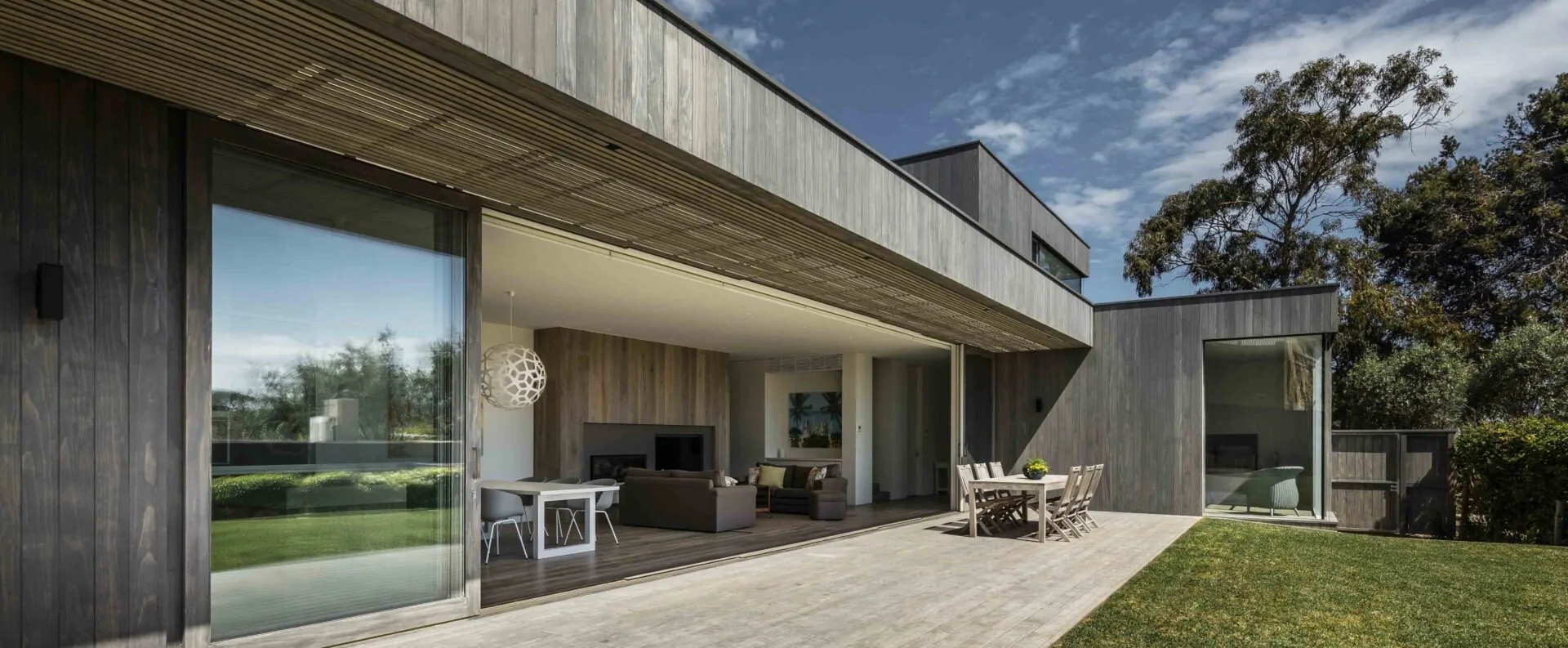
Vertical vs Horizontal Wood Siding: Which Layout is Right for Your Project?
Explore the design, performance, and aesthetic differences between vertical and horizontal wood siding and discover why Accoya is the ideal choice for any orientation.
09.10.2025
When it comes to designing or renovating a home, siding layout isn’t just a cosmetic choice, it’s a defining element that shapes both the aesthetic and long-term performance of the property.
The orientation of siding, whether vertical or horizontal, plays a major role in curb appeal, architectural style and even weather resistance. As wood siding continues to grow in popularity for its natural warmth and timeless character, more architects and homeowners are turning to sustainable, high-performance materials to match.
That’s where Accoya comes in, a standout wood siding option that combines exceptional durability with proven environmental credentials.
In this guide, we’ll explore the key differences between vertical and horizontal siding, how each layout impacts design and function, and why Accoya is a smart choice no matter which direction you choose.
Why wood siding is making a strong comeback
After years dominated by synthetic and composite materials, wood siding is making a strong return, and expected to continue to grow within the next five years. Architects and homeowners are seeking materials that offer both aesthetic value and environmental integrity, and wood delivers on both fronts.
Here’s why wood siding is once again in high demand:
- Timeless aesthetic appeal: Wood offers a natural warmth and texture that synthetic materials can’t match. It complements a wide range of architectural styles, from modern minimalist to traditional farmhouse, and brings a sense of authenticity to any design.
- Enhanced durability with modern technology: Advancements in wood innovation, like Accoya’s acetylation process, have transformed how wood performs. Modified wood siding now offers exceptional resistance to warping, swelling and rot, even in harsh climates.
- Increased demand for sustainable materials: As environmental concerns grow, more architects arespecifying renewable, biodegradable materials. Responsibly sourced wood siding has a lower carbon footprint compared to vinyl or fiber cement siding alternatives. Accoya wood has certified sustainability credentials like FSC® and Cradle to Cradle Gold.
- Versatile design options: Wood siding can be installed vertically, horizontally or in custom patterns, offering flexibility in achieving distinct visual effects and architectural details.
- Long-term performance: Premium products like Accoya combine the beauty of real wood with decades-long durability and low maintenance.
In short, wood siding is no longer just a traditional choice, it’s a smart, stylish and sustainable siding solution for modern construction projects.

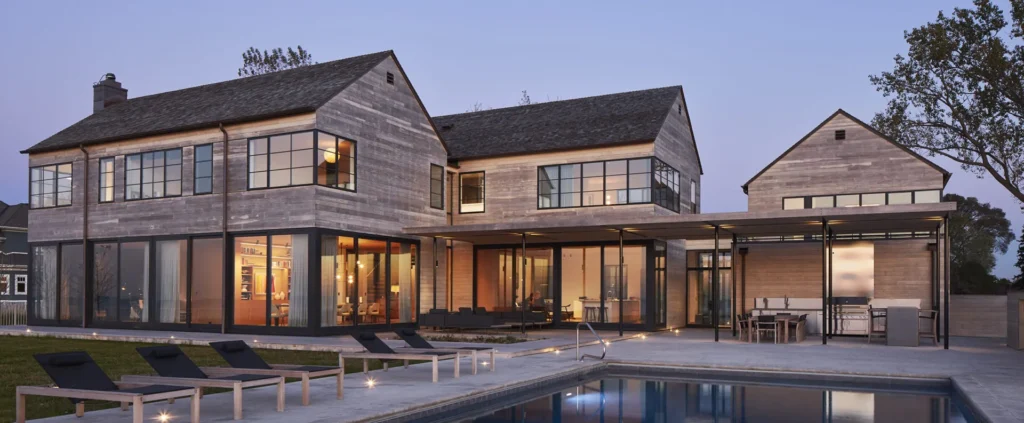
Architect: CCY Architects
Manufacturer: Delta Millworks
Contractor: Shaw Construction
Photographer: Draper White
Vertical vs. horizontal siding: What’s the difference?
When choosing a siding layout, the direction of your wood panels does more than just influence the look of a home. It also reflects historical design trends, regional styles and modern architectural preferences.
Here’s a breakdown of the key differences between vertical and horizontal siding orientations and how each is used in American architecture.
Horizontal wood siding
Horizontal wood siding can be created from boards, most traditional form of horizontal siding, that are installed parallel to the ground, running from left to right across the structure.
- Visual impact: Horizontal siding creates a classic, grounded appearance and can make a home appear wider.
- Traditional use: A staple in American homebuilding, it’s often seen in Colonial, Ranch and Craftsman-style homes.
- Architectural style: It’s best suited for traditional or transitional designs, where timeless curb appeal is the goal.
- Modern application: Horizontal wood siding is still widely used, especially in residential neighborhoods that favor continuity with historic or regional character.
Popular styles of horizontal wood siding
Horizontal wood siding comes in a variety of styles, each offering its own character, shadow lines and architectural charm. Whether you’re aiming for rustic warmth or clean-lined modernity, the style of siding you choose can dramatically influence the look and feel of a home.
- Clapboard/Bevel siding: This classic style features long, tapered boards that are overlapped horizontally to effectively shed water. Known for its clean lines and traditional appeal, clapboard siding has been a staple in American home design for centuries and remains a go-to for Colonial and farmhouse-style homes.
- Shiplap: A favorite in both historic and modern architecture, shiplap boards are milled with a rabbet joint, allowing them to fit snugly together. This tight fit creates a uniform surface with a crisp, linear shadow line. This is perfect for designs seeking simplicity with a touch of refinement. It’s equally at home in coastal cottages and contemporary builds.
- Channel lap: Channel lap siding offers a more dimensional, textured appearance. Boards are overlapped in a way that creates a visible channel or reveal between each board, giving the façade added depth and a subtle rhythm. It’s a versatile choice that works well with rustic cabins, modern farmhouses and everything in between.
Vertical wood siding
Vertical siding consists of boards installed perpendicular to the ground, running from top to bottom.
- Visual impact: Vertical siding adds height and drama to a façade, drawing the eye upward and creating a more modern or architectural feel.
- Traditional use: It was originally used in barns and agricultural buildings, particularly in the board-and-batten style, which adds texture and depth.
- Architectural style: Vertical siding is well-suited for modern, minimalist or Scandinavian-inspired designs.
- Modern application: It’s gaining popularity in custom homes and commercial builds for its bold, clean lines and visual contrast.
Whether you’re aiming for a timeless or contemporary look, both vertical and horizontal siding layouts offer distinct aesthetic and functional benefits. When paired with high-performance wood like Accoya, you can trust that the siding, no matter the orientation, will offer long-lasting durability, sustainability and visual appeal.
Popular styles of vertical siding
Vertical siding adds height and elegance to a building’s façade, drawing the eye upward and creating a sense of stature. From traditional barns to modern retreats, vertical wood siding offers a range of textures and profiles that suit both rustic and contemporary designs.
- Board and batten: One of the most iconic vertical siding styles, board and batten features wide boards installed vertically with narrower strips covering the seams. This creates a layered, rhythmic look that adds both shadow and dimension. It’s commonly found on farmhouses and barns but has also been embraced by modern architecture for its clean yet textured aesthetic.
- Tongue and groove: Tongue and groove siding offers a sleek, seamless appearance. Each board interlocks with a tongue on one edge and a groove on the other, forming a tight, flush surface. Its refined finish makes it ideal for both interiors and exteriors, lending itself well to minimalist or contemporary designs.
- Board on board: This style layers wide vertical boards with additional boards overlapping each seam. The result is a deep, sculpted texture with excellent weather resistance and visual depth. Board on board siding is well suited to rustic cabins, mountain homes and structures where durability meets design.
- Channel groove/drop siding: Featuring a small channel or groove between boards, this siding creates a subtle panelled effect while allowing for natural wood movement. Its refined shadow lines give façades a clean, ordered look with just enough detail to keep things visually interesting. It works equally well in transitional and modern styles.
- Panel siding: Made from large vertical sheets, panel siding can be smooth or grooved to mimic the look of board and batten or other patterns. It’s a practical choice for modern builds, offering faster installation and a uniform appearance that bridges utility with design.
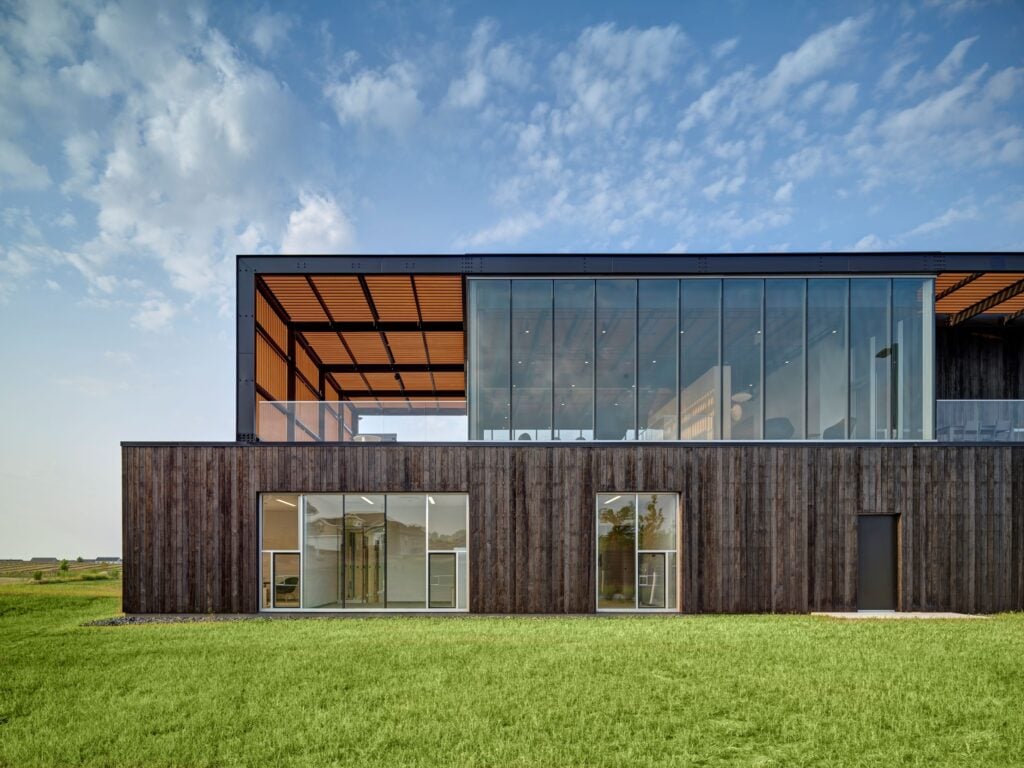
Architect: OPN Architects
Engineers: Hall & Hall Engineers (civil)
General Contractor: CCI Group
Supplier: Delta Millworks
Photography: Cameron Campbell
Can’t choose? Combine vertical and horizontal for a unique look
If you’re torn between the clean lines of vertical siding and the timeless appeal of horizontal boards, why not use both?
Mixing vertical and horizontal wood siding is a growing trend in modern architecture, offering a dynamic, custom look that adds depth and character to any exterior. This approach allows you to:
- Create visual contrast by using different orientations on separate sections of your home.
- Highlight architectural features such as entryways or extensions by changing the siding direction.
- Break up large surfaces and add dimension without needing additional materials or colors.
- Blend traditional and contemporary styles, striking a balance that feels fresh yet familiar.
With a material like Accoya, you don’t have to compromise performance for creativity. Its exceptional stability and durability mean it performs equally well in both vertical and horizontal applications, making it the perfect choice for mixed-orientation designs.
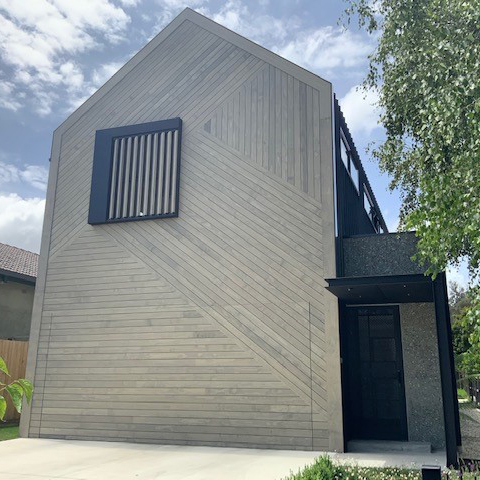
Distributor: Britton Timbers
Find Your Local Wood Garage Door Expert
Explore our range of local distributors and manufacturers in your region. Use our search tool to find your nearest Accoya supplier today.
Performance and maintenance: What architects need to know
Beyond aesthetics, the orientation of wood siding has practical implications for performance and long-term maintenance, factors that architects and builders must consider during the design phase.
Water runoff and moisture management
- Vertical siding: Naturally channels water downward, reducing the likelihood of moisture getting trapped behind boards. It often offers better drainage and drying potential, making it ideal for areas with high rainfall or humidity.
- Horizontal siding: More prone to water infiltration at horizontal seams, especially where boards overlap. It requires precise flashing and installation techniques to prevent moisture-related issues over time.
Maintenance requirements
- Vertical siding: Easier to clean, as dirt and debris tend to wash down with rainfall. It also has fewer horizontal joints which can mean less frequent repainting or sealing in some cases.
- Horizontal siding: May require more frequent maintenance due to moisture buildup and exposure at the joints. It is still a highly durable choice when installed correctly and maintained routinely.
Material stability
Whether vertical or horizontal, the choice of material makes a major difference. Accoya wood offers outstanding dimensional stability, meaning it resists swelling, shrinking and warping, regardless of orientation.
This minimizes maintenance needs and extends the lifespan of the siding system.
By understanding how layout influences performance, architects can make informed decisions that balance form and function. With high-performance wood like Accoya, you get the freedom to choose any orientation, knowing it’s built to last.
Why Accoya works beautifully with any siding layout
Whether you’re specifying vertical, horizontal or a combination of both, Accoya wood siding is engineered to perform beautifully in any orientation. Its advanced modification process enhances the natural properties of wood, making it a smart, design-flexible choice for modern architecture.
Why architects choose Accoya:
- Superior dimensional stability
- Outstanding durability
- Low maintenance
- Design versatility
- Sustainably sourced
With Accoya, there’s no need to compromise between performance and aesthetics, both can be achieved with confidence, in any layout.
Choosing the right layout: Key factors to consider
While Accoya performs equally well in vertical and horizontal siding installations, the layout specified will depend on a few important factors:
- Architectural style: Vertical siding suits modern or minimalist designs while horizontal works well with traditional or transitional homes.
- Visual goals: Want to elongate the home’s appearance? Choose vertical. Want to widen it visually? Specify horizontal siding.
- Climate conditions: Vertical siding naturally sheds water more efficiently, which can be advantageous in wet or coastal climates.
- Material choice: With Accoya’s superior durability and moisture resistance, you can confidently choose based on design, not limitations.
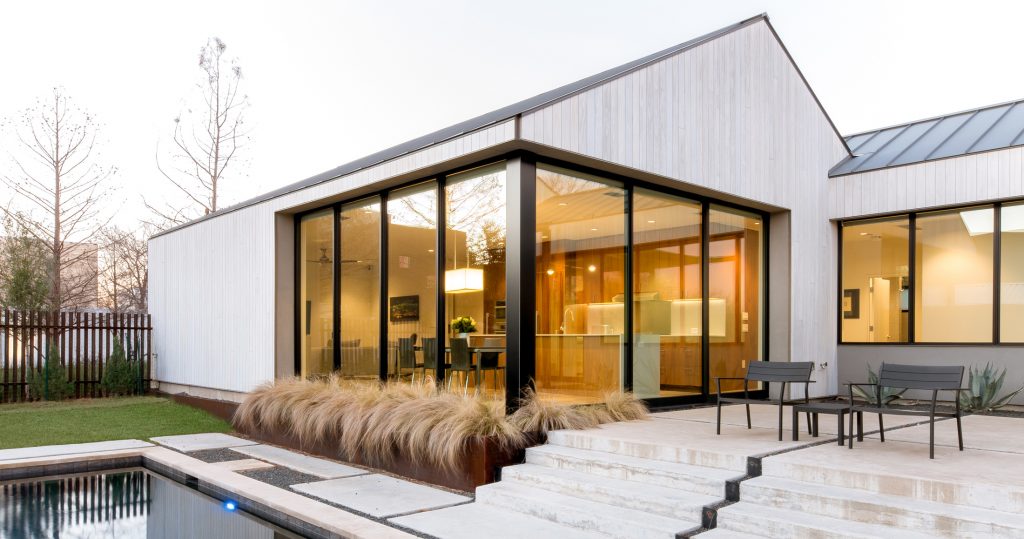
Architects: DIG:A
Contractor: Chris Hill
Coating: Sherwin-Williams Grey Semi-Transparent Stain
Photography: Costa Christ
Accoya: A premium wood siding choice for every project
Accoya isn’t just another wood, it’s a premium exterior wood siding solution for architects who want design freedom without sacrificing performance.
Whether your project is residential, commercial or part of a larger sustainable development, Accoya is built to meet the highest standards of beauty, longevity and environmental responsibility.
- Backed by decades-long warranties
- Modified for maximum durability and stability
- Naturally beautiful, with excellent finish retention
- Ideal for any siding orientation, climate or elevation.
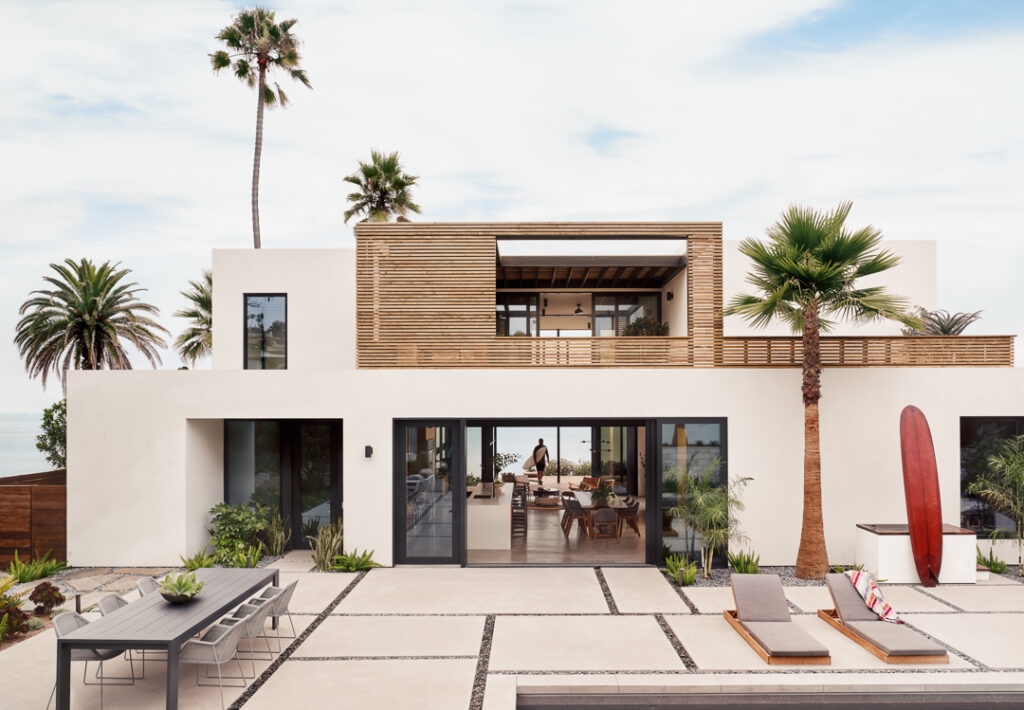
Architects: Greg Coleman Architects
Installation: California Deck Pros
Contractor: RGB Inc.
Ready to specify your exterior siding layout? Here’s what to do next
Now that you know the pros and cons of vertical vs. horizontal siding and why Accoya is the right material for either, it’s time to plan your next steps.
Consider the overall style you’re aiming for, the local climate and how much maintenance you or your client are comfortable with. Thanks to Accoya’s exceptional durability and stability, you can base your decision on design preferences rather than performance limitations.
Ready to get started? Explore Accoya wood siding options and find your local distributor today.
Header image:
Architect: Mitsuori Architects
Builder: Howroyd Homes Pty Ltd
Photographer: Michael Kai Photography
Where to Buy
You can buy Accoya and Accoya products from our selection of distributors or manufacturers in your region. Use our map search tool to find your nearest Accoya supplier.
You are currently on the Accoya site
Would you like to visit the Accoya Site to view all relevant content for your location?