Project Overview
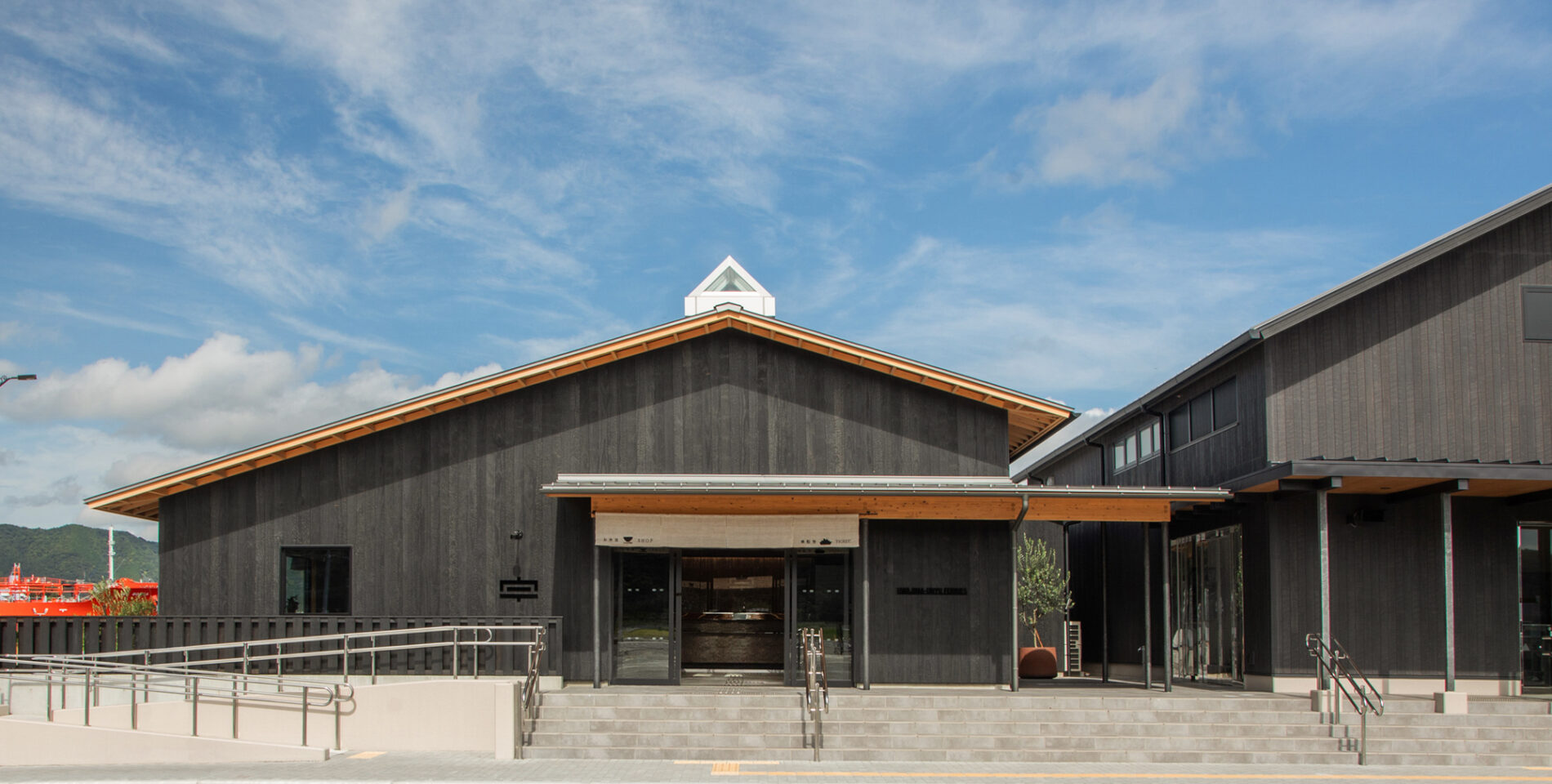
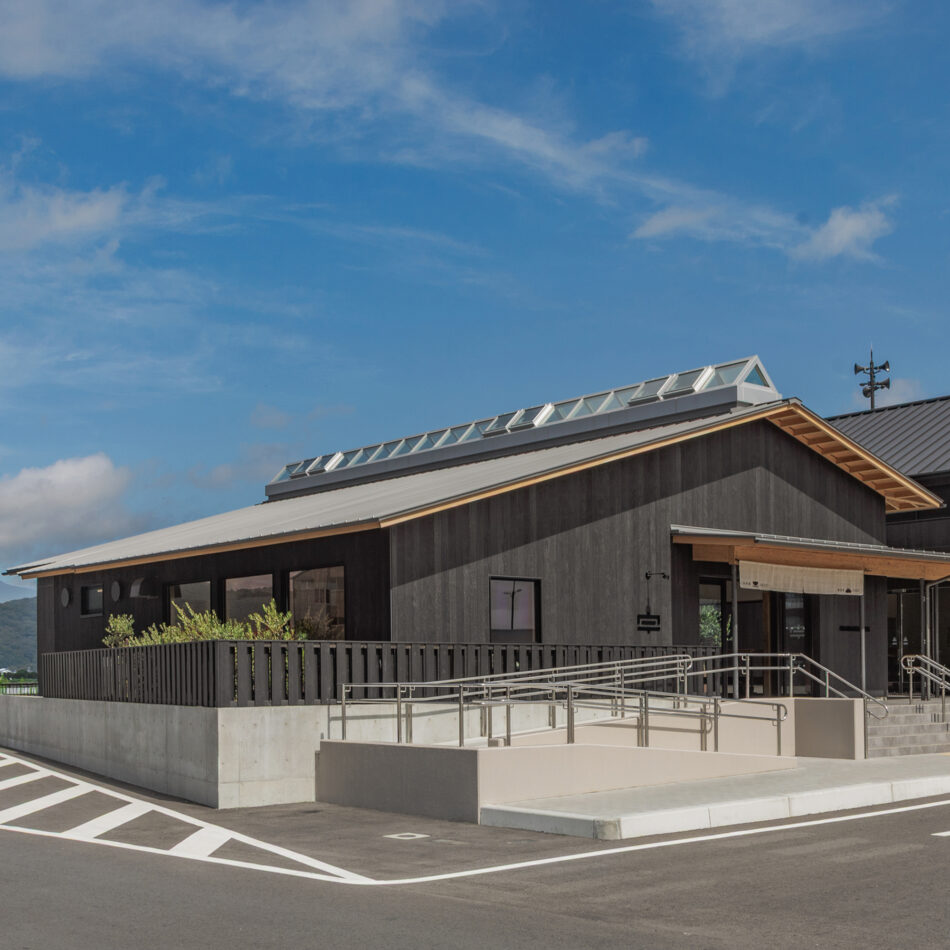
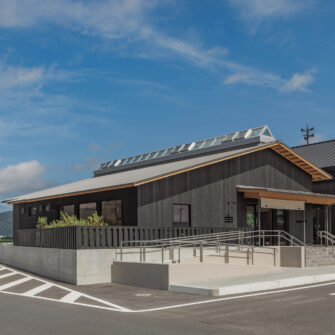
Set within the historic castle town of Usuki, which escaped wartime damage and retains a distinguished townscape, the Ferry Terminal Ticket Office marks a new point of arrival for travellers while remaining deeply rooted in its context. As the city’s gateway, the building responds to both Usuki’s historical character and contemporary needs, including the challenges of a coastal environment.
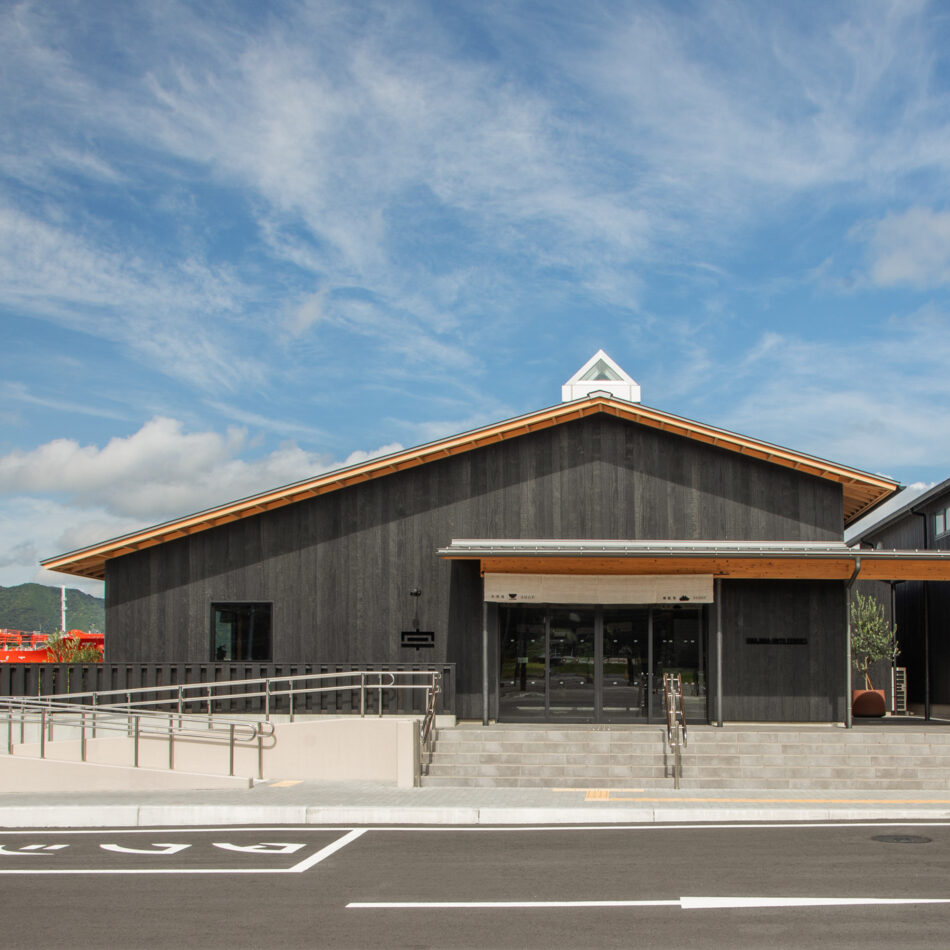
Based on a simple, functional plan, the building is covered by a generous roof realised through advanced timber structural technology, accommodating a variety of uses. Traditional charred cladding boards—long used in western Japan—were chosen for the exterior, expressing a functional, contemporary architecture that continues local building traditions. The Accoya wood used for the project is distributed by Ikegami &CO Ltd, ensuring quality and reliable supply.
Calm, assured, and quietly expressive, the project demonstrates how considered architecture and carefully selected materials can transform a modest commercial building into a meaningful civic presence.
Applications used in this project: Cladding
Contextual Design
Usuki is a rare example of a Japanese castle town that escaped wartime destruction, so new architecture is expected to engage sensitively with its historical context. SCAENA DESIGN, a Japanese architectural practice known for its context-driven approach, responded with a simple, confident language.
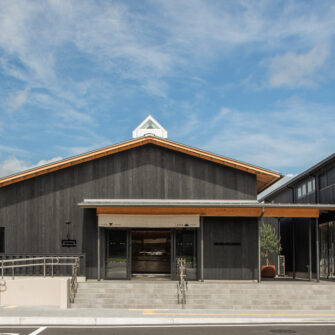
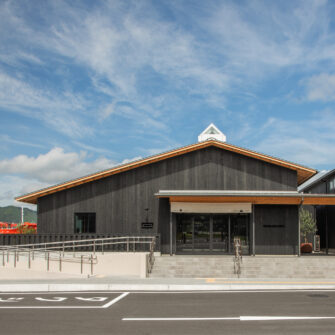
A generous roof, enabled by advanced timber technology, spans the building with minimal columns, creating a sense of openness. A single central post supports the ridge beam, which extends above the roofline and is crowned with a skylight. Soft daylight filters into the interior, guiding visitors naturally through the space.
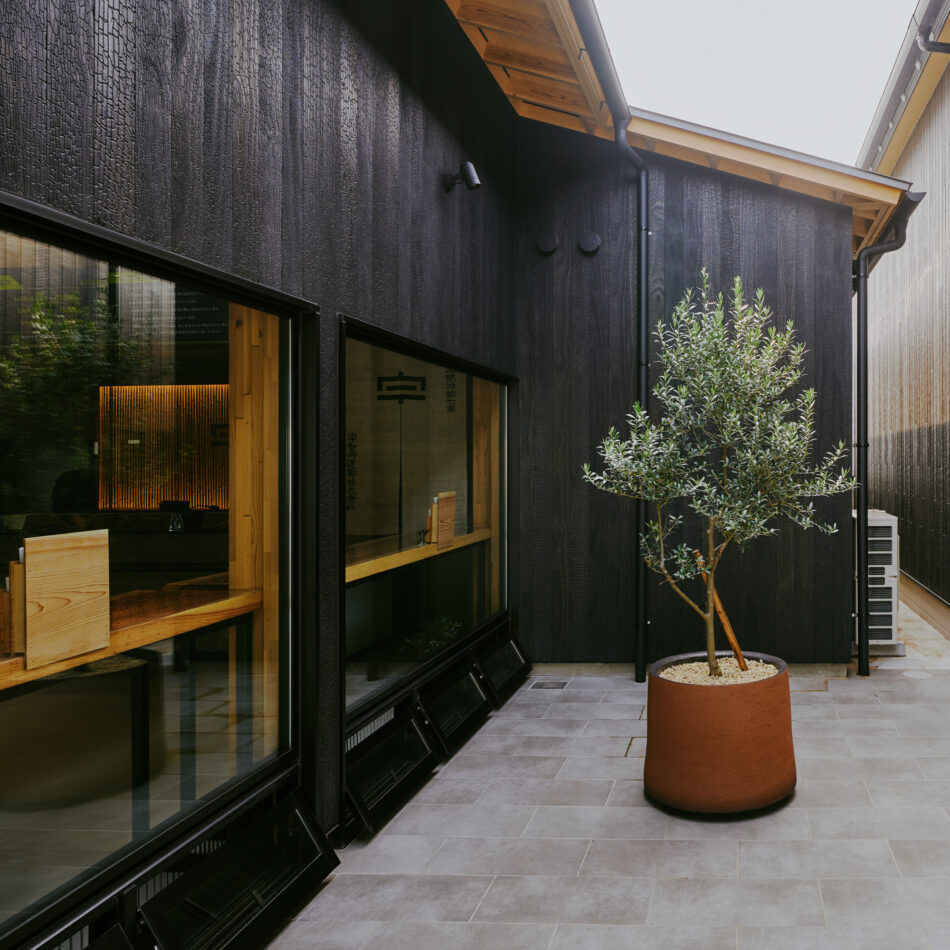
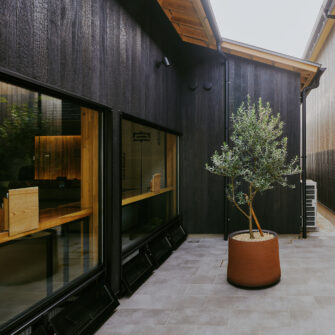
The exterior is intentionally restrained. Charred timber cladding forms a tactile, composed envelope—an understated counterpart to the light-filled interior—allowing material quality, texture, and detail to take centre stage.
Why Accoya
For a coastal location exposed to salt air, wind, and humidity, material performance was essential. Accoya was selected for its dimensional stability, durability, and long-term reliability in exterior applications.
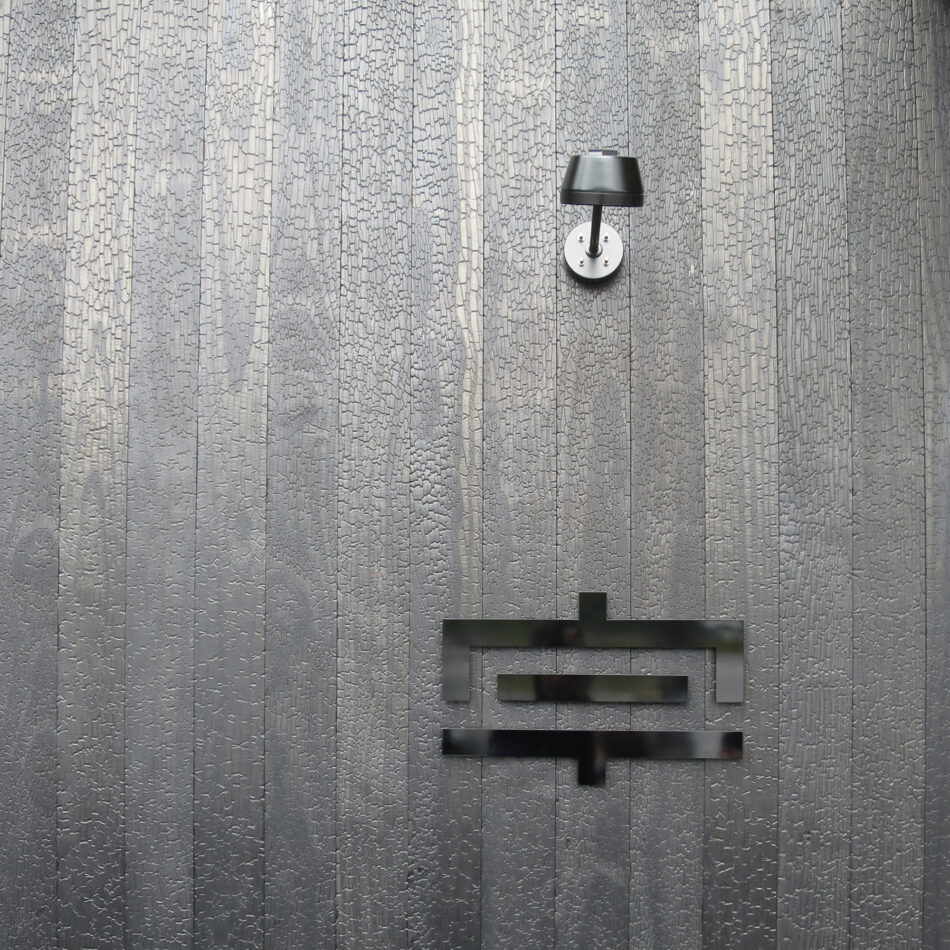
Charred Accoya, inspired by traditional Shou Sugi Ban, provided more than performance. It offered a cultural connection: Usuki Port holds historical significance as a site of early exchange between Japan and the Netherlands, dating back to 1600. The fusion of Japanese charring traditions with Dutch acetylation technology made charred Accoya a quietly symbolic choice—authentic, contemporary, and appropriate.
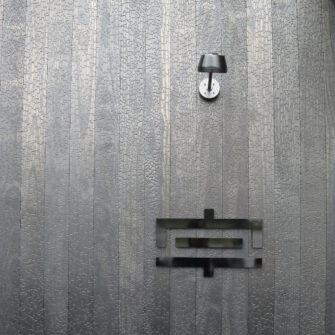
The charred surface forms a distinctive, crocodile-scale texture. In direct sunlight, the cladding appears as refined charcoal grey; in backlight, it deepens to rich matte black. The façade subtly changes throughout the day, offering depth and visual intrigue without excess.
Designed to Endure
While neighbouring buildings rely on fibre-cement alternatives, this project emphasised genuine material integrity. Charred Accoya combines the aesthetic of Shou Sugi Ban with modern wood technology, offering exceptional stability that resists delamination in exposed coastal conditions. Sustainably sourced, it supports long-term performance and informed the rich interior palette of wood, bamboo, stone, metal, glass, and tile.
Specified for durability, low maintenance, and architectural presence, the dark cladding creates a calm arrival while the light-filled interior offers warmth for travellers. The client praised its performance and appearance, noting the material would have been used across all elevations if budget allowed, and even influenced the company’s logo colour.
The Usuki Ferry Terminal shows how charred Accoya reinterprets tradition through innovation, delivering enduring beauty, material honesty, and lasting performance.
Design: SCAENA DESIGN
Construction: Sugagumi Co., Ltd.
Accoya Distributor: Ikegami & Co., Ltd
Photography: © Takashi Maeda